The Growth Decree tax relief scheme has been the subject of speculation and debate ever since its implementation, but Italian clubs might have to get used to a future without it.
Some sources reported last month that the decision has been made to bring the Growth Decree to an end, but Calcio e Finanza suggested that clubs will continue to be able to enjoy its benefits, as well as things like the arts sector. Since then there has been a bit of confusion about what the future holds.
Read SempreMilan ad-free and get access to exclusive news. Click here for a free trial!
The Athletic have published a long read on the Decree, starting with an example of how it works concerning Roberto De Zerbi and potentially taking a job back in Italy and the salary he might request.
The ‘Decreto Crescita’ means that offering De Zerbi a salary worth €10m gross would mean that he takes home €7.5m net rather than €5.5m after tax and that makes the offer a lot more appealing.
The Growth Decree costs €674m a year and benefits only 15,000 people, which is why it has come into question. Of the 653 senior players in the league, 198 take advantage of it (30%) and the benefit to the teams is estimated to be around €150m.
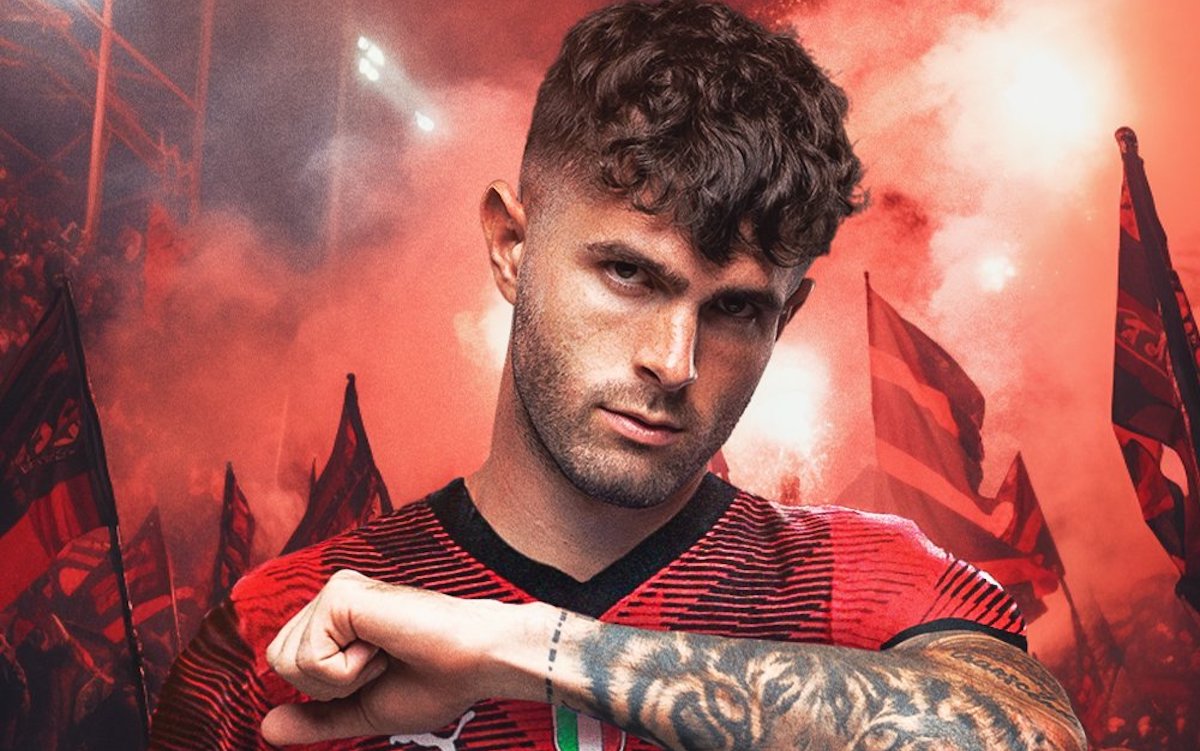
Clubs like Chelsea are a good example. They sold Tammy Abraham to Roma as well as Fikayo Tomori, Ruben Loftus-Cheek and Christian Pulisic to Milan. All of them were on Premier League salaries, but the Decree allowed the Giallorossi and Rossoneri to tempt them to Serie A.
The economic initiative has helped at the very least with keeping other elite leagues in sight. Since its introduction four years ago, Serie A clubs have reached a Champions League final, two Europa League finals and two Conference League finals.
The report even mentions that ‘player benefiting from the tax break have brought an extra 621 million social media followers to the league since the Growth Decree was implemented’, meaning that it is having an impact on the exposure Serie A gets.
Milan have gone from employing 145 people in 2018 to around 250, and CEO Giorgio Furlani has publicly called for the Growth Decree not to be scrapped because it would stunt the resurgence.
“It would be senseless, total madness, to change the decree. A decree that allows you to go in the right direction, a decree whose very name — Growth Decree — is about helping the country’s economy grow,” he said.
The dividing line seems to come from politicians and high-ranking officials who see football as a game during a difficult economic time for the average person versus those who see it as a money-spinning industry from the country.
This is all at a time when there continues to be widespread debate about Serie A’s TV rights packages and the construction of new stadiums, which are two huge things when it comes to bridging the gap to the Premier League, for example.
Then there is the impact on Italians. The head of the players’ union, Umberto Calcagno, has been vocal in his disapproval of the Growth Decree, describing it as a ‘norm that discriminates in a frightening way against Italians or foreigners who have already been in Italy’.
“It’s enough to look at the minutes played by players in Serie A,” Calcagno said. “In 2006 [when Italy were last world champions], Marcello Lippi got to count on 70 per cent of them going to Italians and 30 per cent to foreigners. Now it’s the opposite for Roberto Mancini and Luciano Spalletti.”
Empoli president Fabrizio Corsi added his unequivocal thoughts: “The Growth Decree is a joke. It’s anti-Italian and against the Italian football system. I’m disconcerted by the attitude of some Italian directors.”
Sassuolo chief executive Giovanni Carnevali agreed: “The Growth Decree facilitates the signing of foreign players and doesn’t help. We have to find opportunities so that clubs who do buy Italian players are rewarded. Instead, we only have it for foreigners. It is not good for our world.”
While there may be a link between the implementation of the Growth Decree and the results of the national team, there could also be the argument that the savings it facilitates could be invested in youth. Juventus Next Gen for example have produced Fabio Miretti, Nicolo Fagioli, Hans Nicolussi Caviglia and others.
With the Premier League and LaLiga going from strength to strength, and with Ligue 1 offering players tax breaks – not to mention the rise of the Saudi Pro League – Serie A risks once again falling into the abyss.
The piece ends: “The fear among the Serie A elite is that removing the tax break will make them less competitive in the transfer market, less competitive on the pitch, less appealing to broadcasters and less able to make revenue from player-trading models as they wait for direly needed news stadiums to one day get built.”


i’m sure this is Pioli’s fault
That is why they should go for Mbappe this year and find the investors to pay for that. It would pay itself back in sponsorship money, he would make money for the club, not cost money…Send someone to ask him if he wants to join Milan and offer him a good offer.