The latest idea in AC Milan and Inter’s attempts to build a new stadium is a site that is close to San Siro. Very close in fact.
Read SempreMilan ad-free and get access to exclusive news. Click here for a free trial!
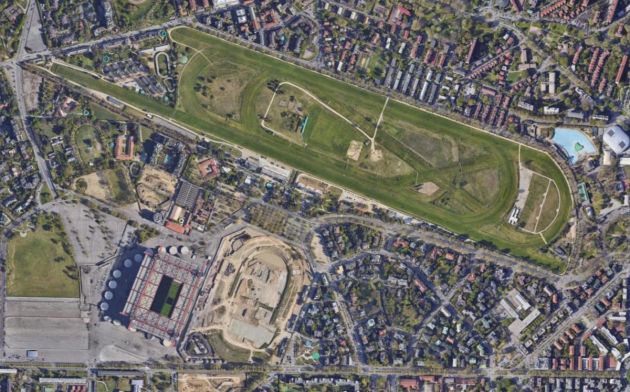
According to Corriere della Sera, the clubs are now looking at the private area of 75 hectares of land near the old hippodrome (horse racing track) which is very close to current San Siro, which could in turn escape demolition.
The details are still not all clear and some key bits are missing because the operation is in progress, but the idea of saving the Meazza and building the new facility a stone’s throw away is gathering some speed.
The site is owned by the FCMA group of Federico Consolandi and already attracted interest from a previous project by the architect Stefano Boeri which involved the construction of a large biodiversity park for public use.
In the last few weeks there have been meetings between the teams, the Council (with Mayor Beppe Sala present) and the ownerships of the clubs. The idea is on the table and all the necessary assessments are being made, because prudence in such a delicate matter is a must.
On the plus side, the stadium could be built on private land and thus eliminate one of the main hurdles that has slowed progress in the pursuit of the Cathedral project. Then, the area in question is already considered a sporting destination (with supporting infrastructure such as a Metro stop) and therefore would be compatible with the construction of a new stadium.
It would mean that the clubs turn away from Sesto San Giovanni or in some other location outside Milan. At that point, if the Cathedral project were to vanish, it would no longer be necessary to tear down the San Siro.
Then, the future of the Meazza would be open to various alternatives. There is the offer of ASM Global, a company that organises major events and manages many stadiums and arenas around the world and has said it is willing to take care of the stadium.
The space available (twice the size of Parco Sempione) would allow the teams to also create the outline of offices, residences and a shopping centre deemed indispensable by the teams for the economic balancing of the project.