

The change from AC Milan to RedBird Capital is more than just a change in ownership, it also marks an immense change in how modern football teams work as international media brands.
Read SempreMilan ad-free and get access to exclusive news. Click here for a free trial!
In contrast to earlier administrations, which were mainly concerned with quick athletic success, RedBird takes a data-driven approach that matches performance on the field with business growth off the field.
The change in approach is similar to how some digital platforms, like UK sports bettors offshore options, have changed over time to serve people worldwide by responding to different market needs and legal settings.
Figuring out these similar changes helps explain why Milan’s new direction focuses on long-term growth instead of getting flashy players for a short time.
The Berlusconi legacy
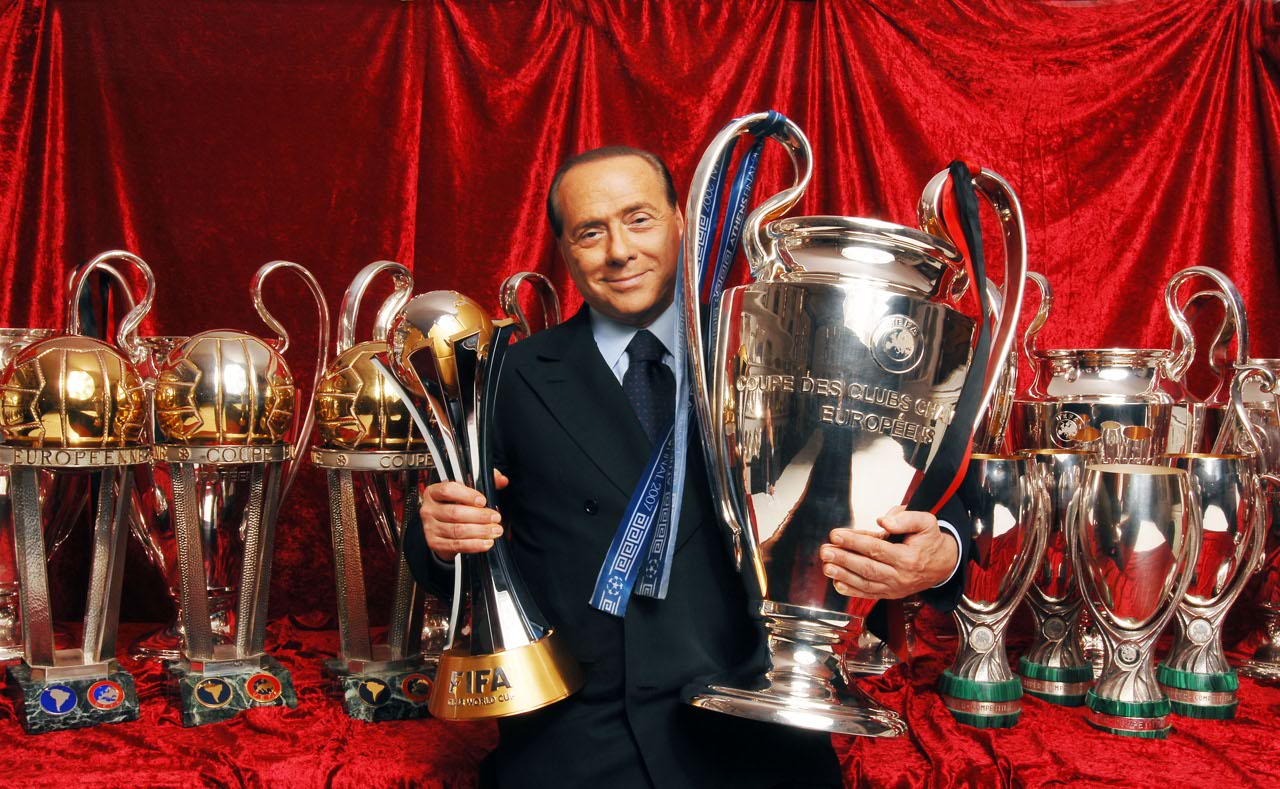
Silvio Berlusconi owned AC Milan for 30 years. The visionary leader spent much money on superstar players. Milan won a total of 29 trophies during the time that he played. Included within the trophies were 5 Champions League crowns. Recruiting famous players such as Van Basten, Weah and Shevchenko made him the team’s best.
Berlusconi changed the club’s infrastructure by upgrading Milanello and made it a worldwide brand by working with media giants. However, after the 2008 financial crisis, this model stopped working because competing with state-owned teams was becoming harder and harder.
The heritage is still essential, Milan’s worldwide popularity and reputation come mainly from this time, but the absence of contemporary commercial growth made things more complicated for subsequent owners.

The global brand expansion strategy
RedBird Capital knows that to be successful in modern football, you need to do more than merely make money on match days. Their plan uses Milan’s long heritage and includes proficient digital branding and corporate ties in North America, Asia, and new markets.
Some plans include NFT cooperation, bigger content platforms, and pre-season travels to gain more fans from other countries. The procedure is similar to how internet platforms available worldwide work in other countries, but Milan strictly follows football rules.
The goal isn’t only to get more followers but also to get them more involved by offering personalised content and commercial experiences that work for people from different cultures.
RedBird’s modern approach
RedBird’s latest way of doing football requires being financially responsible and preparing creatively, utilising data to locate new players and finding new ways to make money. Their £1.2bn stadium project with Inter is meant to bring in more money by creating attractive places to eat and have fun all year round.
They emphasise long-term growth by developing young people, working with other businesses, and aligning with digital transformation trends. The revamp will also change Milan’s digital infrastructure, making it simpler for supporters to pay while keeping the club’s identity.
Financial transformations through time
Milan’s financial history may be divided into three parts: Berlusconi’s personal finance from 1986 to 2006, Elliott Management’s austerity era in 2018, and RedBird’s balanced planning for 2022. Berlusconi’s plan depended on owners putting money into the firm and not overextending it.
On the other hand, Elliott’s plan was all about lowering costs and raising the value of assets. RedBird makes more money by using modern ways to diversify its income, such as working with companies in other countries and getting people to interact with its digital content.
The concept says contemporary football teams should be like entertainment firms, employing data analytics and digital platforms to reach more people and earn more money.


Fan reactions across generations
Long-time fans were worried about losing tradition when RedBird first went into business. On the other hand, younger fans like how apps and social media make things eco-friendlier and make connecting with other fans online easier. The disparity between generations shows that there are bigger issues in football between old and new ideas.
Fans who go to events worry about making money, but fans from other countries like how easy it is to use digital platforms and go to events all around the globe. This shows how hard it is to balance ancient values with modern business requirements in football throughout the globe.
Looking toward Milan’s future
RedBird’s goals for Milan hinge on finishing their stadium project and making innovative selections for hiring to be competitive. On game days, the new stadium might make three times as much money as the old one and could also make money all year round.
It’s essential to do well in matches, but it’s also part of a bigger plan to establish a company and a brand. Football teams must be good at sports, commerce, and tech to fight globally. The hard part is ensuring that Milan keeps up their great play without losing what made them excellent in the first place.