
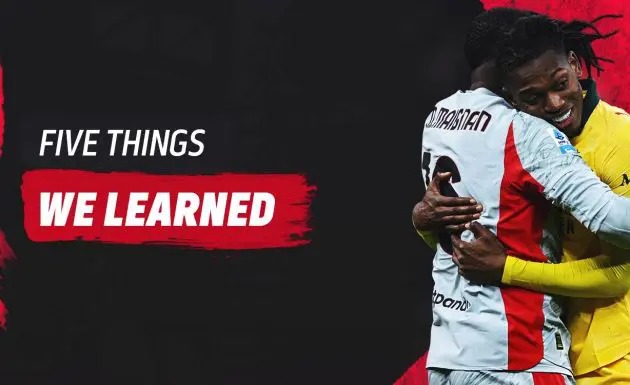
AC Milan’s faint title hopes are hanging by a thread after they were forced to come from behind to earn a 1-1 draw against Como.
Read SempreMilan ad-free and get access to exclusive news. Click here for a free trial!
Milan’s game at San Siro on Wednesday night was their first at home in exactly one month, and it was a hotly anticipated rematch after the 3-1 victory in Como last month. Like in the previous three meetings the Lariani took the lead, as Nico Paz seized a stray Mike Maignan pass and slotted in.
In the second half the Rossoneri got level as Rafael Leao lobbed the onrushing Jean Butez following a long ball over the top from Ardon Jashari. As the full-time whistle went amid some jeers, though, there was an undeniable feeling that the Scudetto push might be on the rocks.
The draw means that the Rossoneri are now seven points behind their city rivals Inter. With just 12 games to go it is a big hill to climb. Below are five talking points from what was an entertaining spectacle again at San Siro.
1. Third time’s a charm
There was a lot of attention on Ardon Jashari heading onto Wednesday’s game, as soon as the sources starting unanimously agreeing that he would not only get his third Serie A star but would be playing in the mezzala role, so next to Luka Modric.
After a start to the game spent mostly watching Como in possession, Jashari really grew into the game and looked to complement Modric rather than overlap him too much. He looked every bit the all-action midfielder Milan invested €35m on by the second half, when the Rossoneri got on top.
He completed a ridiculous 58 out of 60 passes attempted (97%) and had 3 chances created, 70 touches, 6/6 accurate long balls, 1/1 successful dribbles, 10 passes into the final third, 4 recoveries, 2 tackles and an interception.
Such is the modern way: You’re only as good as the highlights you’ve got to show for it. That moment came in minute 64 when the Swiss popped a perfect 50+ yard ball over the top that was weighted in the corridor of uncertainty, allowing Rafael Leao to lob Butez. Bravo, Ardon.
Ardon Jashari's numbers from his 3rd Serie A start of the season.
[via @acmilan] pic.twitter.com/jTMreJcN87
— MilanData📊 (@acmilandata) February 19, 2026
2. Toothless up top
Rafael Leao’s night was one that we have become accustomed to so far this season: he did very little in open play, seemed to forgo opportunities in transition because of his perilous physical condition, and yet provided a moment from nothing that ultimately kept Milan’s unbeaten run going.
In truth, the Leao-Nkunku forward pairing just didn’t really work. The Portuguese is playing at 50% at the very best, so we cannot judge beyond that, while the Frenchman did his usual act of playing on the periphery without really impacting the game much.
The hope was that fresh legs could change things, and the introduction of Niclas Füllkrug should have provided a more direct option. Yet, Allegri chose to take off Zachary Athekame – who is showing himself to be the best crosser on the team – which slightly hamstrung those attempts.
Christian Pulisic was definitely the most lively when he came on, darting about into pockets of space and drawing defenders. Nothing really fell for him either, though for various reasons. At present, the Rossoneri’s in-form forward is the now-injured Ruben Loftus-Cheek. That says everything.
3. Beginning of a beautiful rivalry?
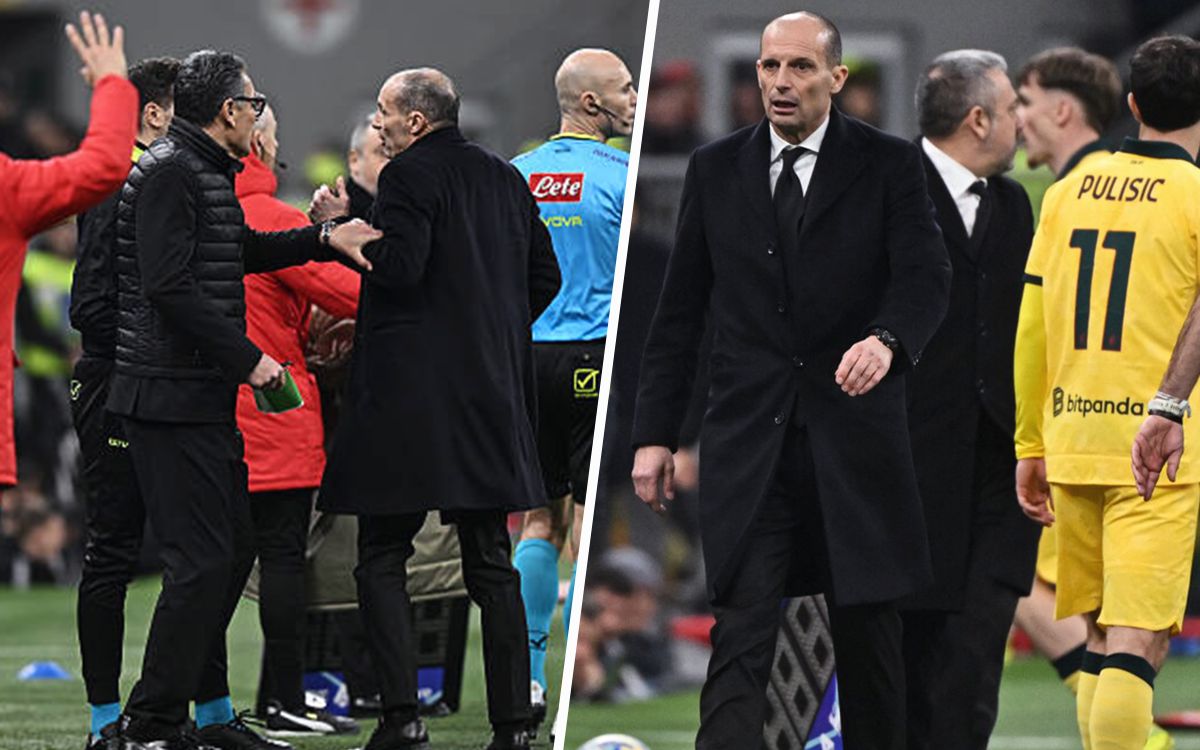
The eagerly anticipated rematch between Massimiliano Allegri and Cesc Fabregas began with a cordial handshake on the sidelines at San Siro, and it ended with the Italian firing expletives at his opposite number outside the press conference room.
There is something quite beautiful about being in the moment where it feels like a potential rivalry is brewing, carefully watching each other’s next move like a chess match. There is no doubt about the aggressor this time, though: Fabregas was a disgrace for directly impacting the game the way he did.
However, what was intriguing was the tactical set-up from the former Barcelona man. Many expected him to double down on the approach seen in Como out of stubbornness, to prove he can beat Allegri that way. The result? He matched Milan’s 3-5-2, and played without a striker (Douvikas, who was their joint-top scorer).

It was a bold tweak from Fabregas, who is still very much in his infancy as a coach. Milan, meanwhile, played very much the same way as they had by the lake: solid, compact, waiting for a moment to spring into life.
Como took the lead (as they have done in their last four meetings with the Diavolo now) through a goalkeeping error (Maignan was MOTM at the Sinigaglia) and Leao answered back with a brilliant individual moment. Fascinating parallels and divergences. Could we be seeing a great coaching duel being created?
4. Changes change
Allegri chose to make four substitutions by the hour mark (or just after), which said a lot about how he felt the game was going. Matteo Gabbia came on for the injured Strahinja Pavlovic at half-time. Youssouf Fofana replaced Samuele Ricci on 55 minutes, Saelemaekers came on for Athekame at the same time, then Füllkug took Nkunku’s spot in minute 62.
It could be argued that each change made a positive impact and led to an improved second-half performance. Gabbia’s introduction was forced, but Milan defended much more solidly with him in the middle and Koni De Winter on the right.
Fofana brought some much-needed physicality and guile in the midfield, replacing a passive Ricci. He helped the territorial domination shift upfield towards Como’s goal, showing why Allegri usually starts him.
While we mentioned Athekame’s crossing ability was lost, Saelemaekers was his usual busy self on the right side. He moved centrally to drag markers around, while he combined well with Tomori, Fofana and Pulisic. All that was missing was the final decision, which is a running theme.
Even Füllkrug seemed to ask more questions than Nkunku, and he played a hand in the goal: him dropping deep to receive the ball, dragged a man, allowing Leao to have a 1v1 in the entirety of Como’s half of the field.
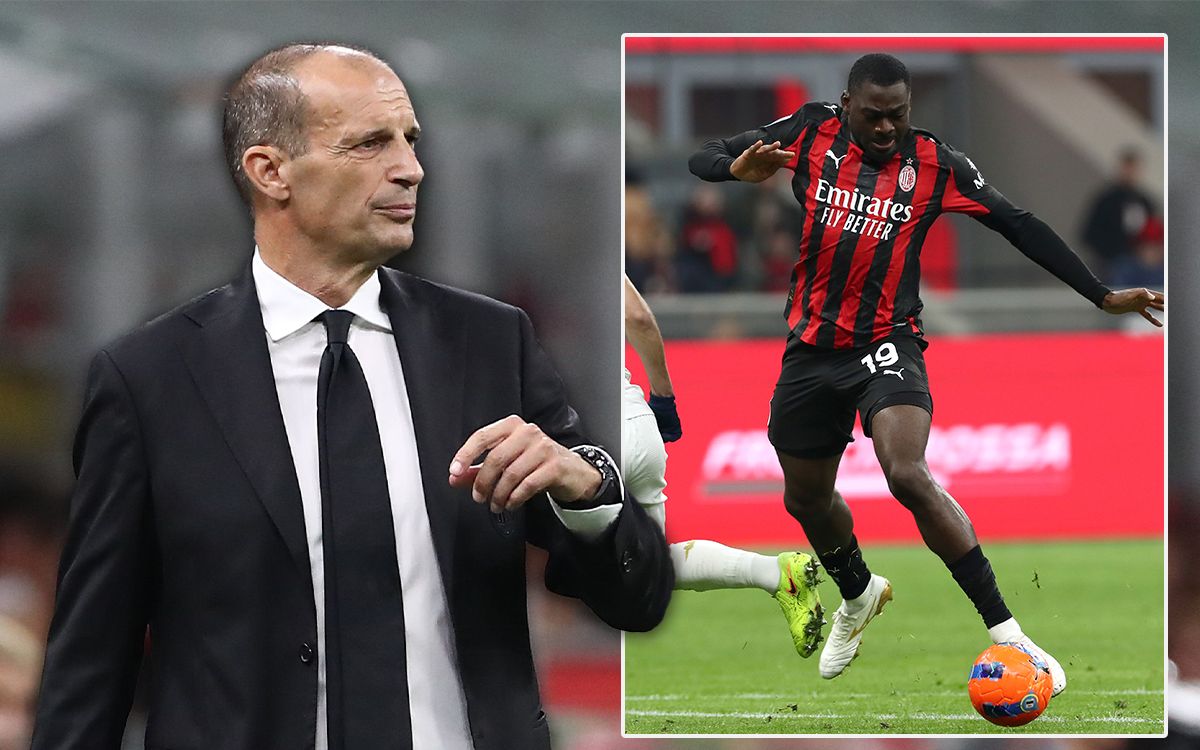
Fans can criticise Allegri’s selections from minute one, but there are few coaches in world football that are as astute when it comes to reading a game and making the requisite changes. Considering the small squad at his disposal, he has the same buttons to press each time, but he picks the correct moments.
5. The dream is (probably) over
Unfortunately, the reason that this feels like a glass-half-empty rather than half-full kind of game is because of what it means for the table. It cannot be said that the Scudetto race is done, not while there are 36 points to play for and only a seven-point gap, yet it feels like a near-vertical climb.
Milan have only lost once this season, but they have drawn nine times out of 25 games. The debate of losing going for the win versus maintaining the standard of being pretty much impossible to beat will rage on, though the fact remains no matter which way you cut it: Inter are on a pace their city rivals cannot match.
Allegri was right to point out in a positive tone that Juventus are now eight points away in fifth, because the chasing pack of teams below is bigger and closer than the team in first place who have won 20 of 25 games.
Sure, there is still some hope that Champions League football will cause an energy crash from Inter (especially based on the evidence in Bodo/Glimt), and that the run of facing Milan, Atalanta, Fiorentina, Roma and Como all in a row could see Chivu’s men fall apart at the seams.
Yet, it feels like blind hope at this point, because Milan remain just as likely to drop more points in the games to come. The top four is the best this team can hope for, and getting second place would be a brilliant achievement considering the various factors.
It just stings a bit more – as is very natural – when the main point of comparison from across the Navigli are having an even better season domestically. With a little help from their friends, of course.