

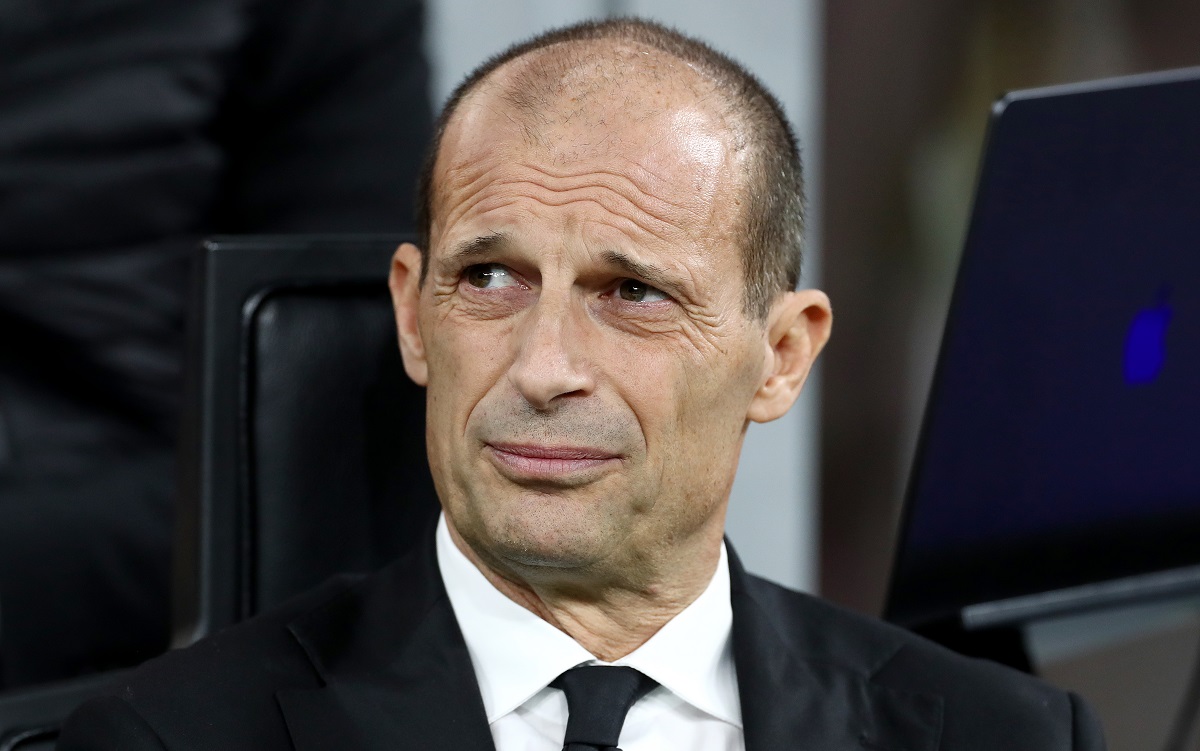
Massimiliano Allegri’s return to AC Milan has brought a clear tactical identity to a squad that lacked defensive structure last season. After finishing eighth in Serie A and missing European qualification entirely, Milan appointed the experienced coach to restore organizational discipline and competitive consistency.
Read SempreMilan ad-free and get access to exclusive news. Click here for a free trial!
The early results under Allegri demonstrate systematic improvement with a good bet to finish at the top at the end of the season. Milan currently lead the Serie A with 31 points from 14 matches, including nine wins, four draws, and one defeat. The team has scored 22 goals while conceding 11.
Defensive transformation
The most notable change under Allegri has been Milan’s improved defensive organization. Under Paulo Fonseca last season, the Rossoneri struggled early, conceding 53 shots and allowing an average of 1.79 expected goals per match across their first three fixtures. Back then, the team’s leaky defense made them the kind of risky pick you’d spot in an analysis like the Pokerology casino guide, which compares odds and outcomes based on performance trends.
Under Allegri’s system, those metrics changed. In his first three league matches, opposing teams managed 16 shots with an expected goals average of 0.23 per game.
The statistical improvement places Milan among Europe’s strongest defensive units. Across the continent’s top five leagues, Milan allowed fewer quality chances than established defensive sides, including Bayern Munich and Barcelona during the corresponding period.

Tactical implementation and system design
Allegri’s tactical changes operated around a three-centre-back formation that emphasises defensive coverage and midfield control. The system utilises three central defenders, three central midfielders, two wing-backs, and two forwards.
While reminiscent of other more familiar formations, this one works uniquely with AC Milan’s team structure, providing multiple layers of defensive protection while maintaining attacking outlets through the wing-backs.
The tactical setup addresses several defensive weaknesses from the previous season. With three centre-backs and three midfielders forming a compact block, Milan reduces the numerical overloads in central areas that plagued them in transition. The system also provides natural width through dedicated wing-backs while maintaining defensive security.
Player roles within the system show clear definition. Adrien Rabiot provides defensive support across the midfield line, while Alexis Saelemaekers covers significant ground on the right flank. Santiago Gimenez contributes defensively when Milan surrender possession, adding to the team’s defensive numbers.
Build-up flexibility and possession structures
Allegri’s approach includes tactical flexibility in possession phases. Depending on the opponent’s pressing structures, Milan can build out with a single pivot, typically Luka Modric, or employ a double pivot by adding Rabiot. This adjustment helps with passing angles and progression into attacking areas.
The system accommodates different build-up patterns based on game situations. The centre-backs can step forward with possession when space allows, while the wing-backs push high to stretch defensive lines. The front two can press aggressively or drop deeper to connect play through the middle third.
This flexibility has benefited individual players within the structure. Strahinja Pavlovic operates effectively in the three-man defence because he can defend aggressively without exposing gaps.
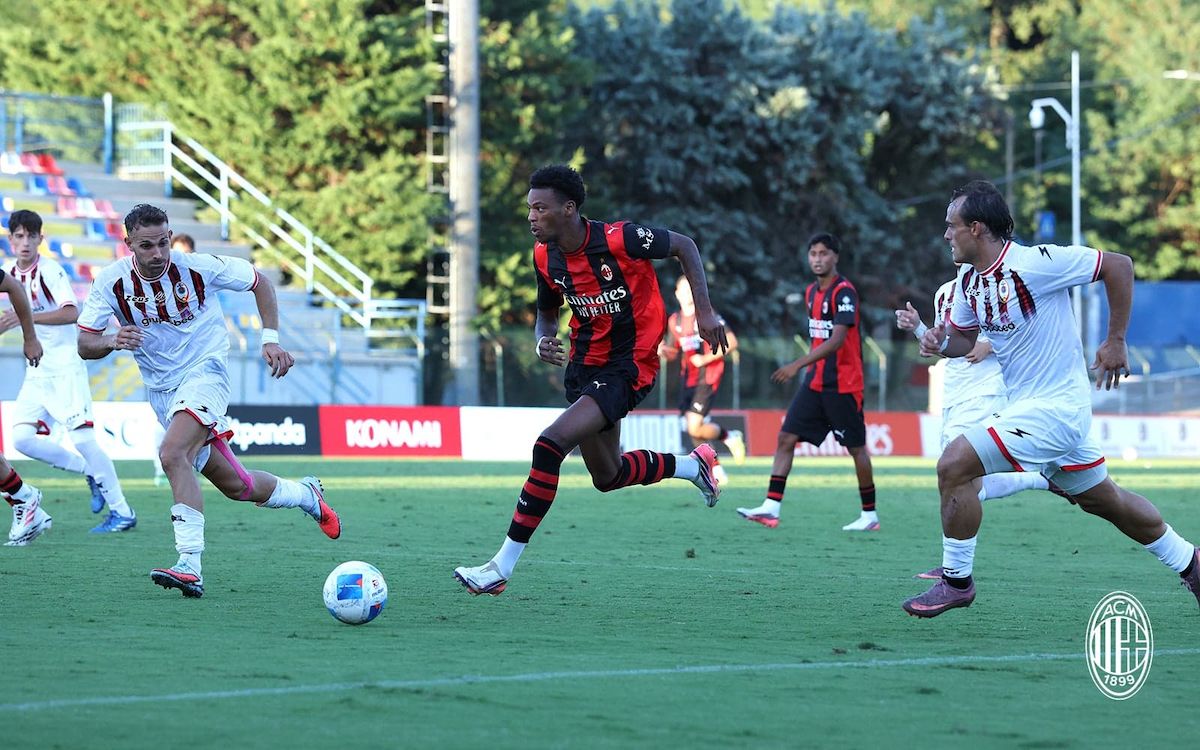
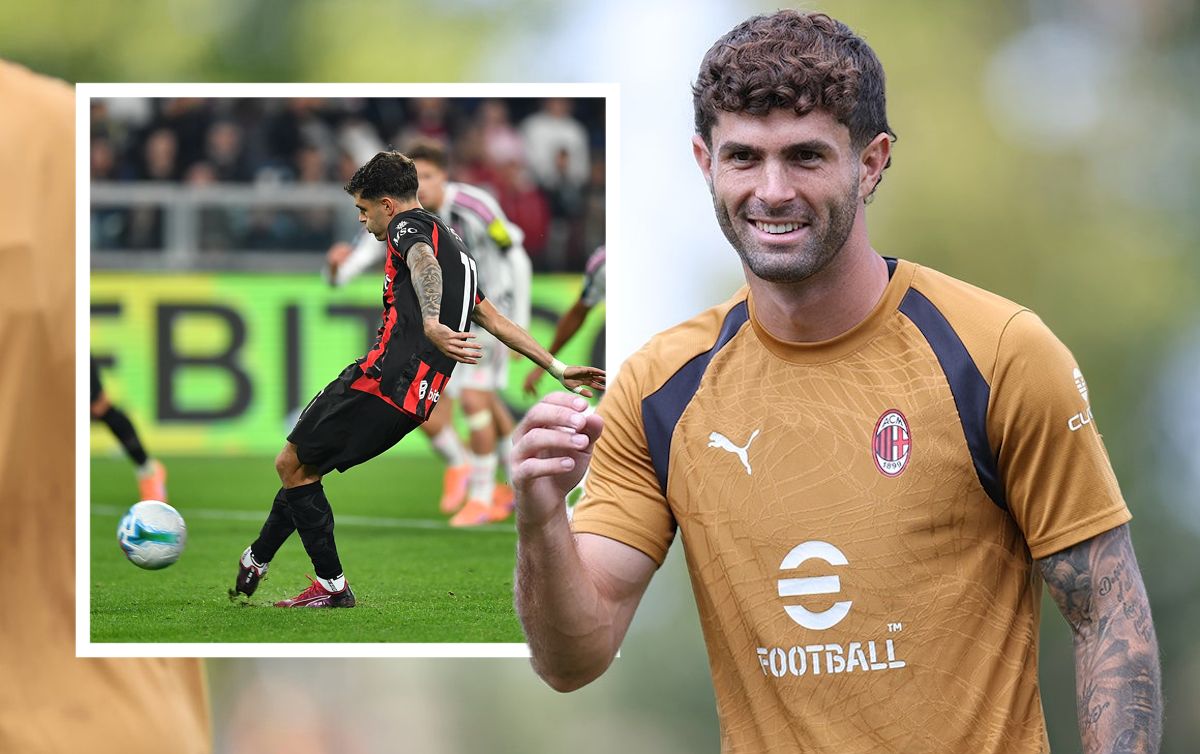
Davide Bartesaghi has developed at left wing-back, where he has defensive protection behind him. Christian Pulisic, despite playing in a different role than in previous seasons, has maintained production with team-leading numbers in goals and assists.




Squad limitations and tactical constraints
The current system faces some constraints due to squad composition. Milan lacks a traditional target forward, which affects their ability to hold possession under pressure. When one forward drops to receive the ball, the other can become isolated, reducing combination play in the final third.
The wing-back system provides width but operates differently from traditional wide attackers. Players like Bartesaghi focus more on crossing than penetrating runs into the penalty area. Without a focal point striker, these deliveries sometimes lack an optimal target.
Defensive transitions present another challenge. When wing-backs push forward to support attacks, the team commits significant numbers ahead of the ball. Counter-attacking situations can expose the central areas, as demonstrated in matches where opponents found space in transition.
Results-based assessment
Milan’s improvement under Allegri shows in comparative data. Through 14 league matches this season, the team has accumulated 31 points. Last season, Milan had 30 points after 19 matches.
The defensive statistics particularly stand out. Milan conceded 43 goals across the entire previous Serie A campaign, placing them in mid-table defensively. The current rate of 11 goals conceded through 14 matches projects to approximately 30 goals over a full season.
Allegri’s tactical approach prioritises defensive organisation and controlled possession in central areas. The system may not produce consistently expansive attacking football, but it has established the structural foundation that was absent last season. With five matches remaining in the first half of the season, Milan hold a position they haven’t occupied in over two years.
The pragmatic methods focus on defensive solidity and tactical discipline. For a team that finished eighth last season, the systematic approach has produced measurable improvement in both defensive metrics and league positioning.